
"China coffee market growth"
900 article(s) found

Yum China 2018 results: KFC Coffee and desserts help CoffiiJoy layout multiple stores
Professional coffee knowledge exchange more coffee bean information please follow the coffee workshop (Wechat official account cafe_style) news on February 6, China's largest catering operation company Yum China announced its fourth quarter and full-year results of 2018, excluding foreign currency translation differences, Yum China's fourth-quarter revenue was 1.91 billion US dollars, up 7% year-on-year, and system sales increased 6% year-on-year. Operating profit

China's coffee market is rapidly growing into a red sea, and brands from all over the world are rushing into it
Professional coffee knowledge exchange More coffee bean information Please pay attention to coffee workshop (Weixin Official Accounts cafe_style) According to this year's report of China Business Industry Research Institute, the coffee market scale in China exceeded 200 billion yuan (RMB, the same below) last year, and it is expected to reach 300 billion yuan by 2020. The rapid growth has attracted many countries to actively enter the market, including Brazil's Santa Monica coffee is expected to enter China.

Starbucks' latest earnings report growth of only 1% in China and Asia Pacific
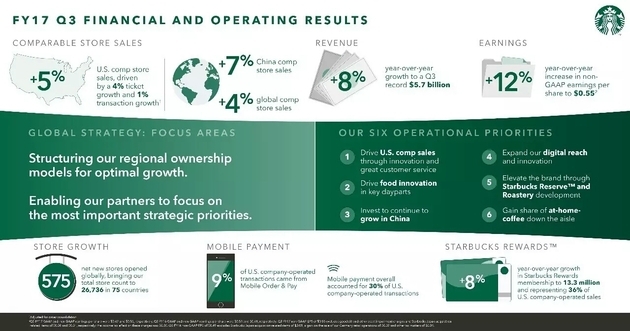
Professional barista exchanges please follow the coffee workshop (Wechat official account cafe_style) Starbucks released its financial results for the third quarter of fiscal year 2017 in the early hours of the 28th. Global same-store sales grew 4.0%, lower than the original forecast of 4.8%. Chinese mainland and Asia Pacific grew 1.0 per cent and are expected to grow 4.3 per cent. This is the seventh consecutive quarter, and Starbucks' same-store sales performance is lower than expected. Chinese mainland interface news today

Refuse extensive growth London Bridge Coffee advocates intensive farming Market
China's coffee market has shown a strong growth momentum in recent years. Statistics show that the number of coffee shops in China has grown from more than 10,000 to more than 30,000 in the five years from 2007 to 2012. Especially in first-tier and second-tier cities, coffee drinking has been integrated with fashion and modern life, coffee consumption is increasing, and the coffee market is also expanding. This continues from many coffee shop chains
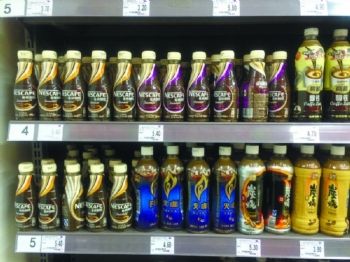
Ready-to-drink Coffee Market: a New Blue Ocean being excavated
In the past two years, when the whole beverage industry bid farewell to the golden era of high growth, coffee consumption showed a rapid growth trend, and China's coffee market is growing at an annual rate of 15% and 20%. Both the leisure coffee chain represented by Starbucks and the instant coffee represented by Nestl é have made rapid development. And the scale of China's coffee consumption market is about to break through.

The increase of national income is expected to increase the per capita consumption of coffee.
The improvement of China's national income level is expected to lead to the increase of coffee consumption per capita. The market penetration of the young and middle-aged population helps to drive the growth of potential coffee consumers. As a drink with unique taste, coffee is very popular among young and middle-aged people. The survey shows that different age groups in China have different degrees of love for coffee, among which people aged 41-50 account for 24% of the total.

The annual market growth rate of China's coffee industry is more than 10%.
Tea, coffee and cocoa are called the three major drinks in the world. In recent years, with the improvement of domestic economic level and the change of people's way of life and work, the market prospect of coffee is getting better and better. Coffee beans play a very important role in both private and business occasions.

The annual growth rate of coffee consumption in China is 10 times higher than that in the world.
The only coffee professional exhibition in South China, the 2014 Guangzhou Coffee Expo, opened on the 11th. The reporter learned from the exhibition that with the rapid development of China's coffee market, the annual coffee consumption growth rate is more than 20%, which is more than 10 times the world average consumption growth rate. The consul general of Uganda, Ethiopia, Turkey and other countries attended today's opening ceremony. The exhibition area is nearly 10000 square meters.

Nestlé 2018 results released! Coffee business performs well in China, but performance growth depends on price increases
Professional coffee knowledge exchange More coffee bean information Please pay attention to the coffee workshop (Weixin Official Accounts cafe_style) Nestle just released the annual report card. Nestlé reported organic growth of 3% in 2018, with real internal growth of 2.5% and price factors of 0.5%. Growth was primarily driven by strong growth in the US and China markets, as well as infant nutrition business

From instant noodles to coffee brewing, the transformation of consumption concept has spawned new growth points in China
Shoppers in the world's second-largest economy are getting richer and older: instant coffee is giving way to brewed coffee, boutique beer is gaining popularity, and the halo of mainstream beauty products is being replaced by more expensive products. Meanwhile, instant noodle sales are declining. Morgan Stanley (32.9, -0.03, -0.09%) and London-based market research firm Mintel Group Ltd.
China's coffee consumption increased by more than 20% annually, exceeding the global average growth rate by 10 times
The only coffee professional exhibition in South China 2014 Guangzhou Coffee Expo opened on the 11th. The reporter learned from the exhibition that the rapid development of China's coffee market, the annual coffee consumption growth rate of more than 20%, is more than 10 times the world average consumption growth rate. Consul generals of Uganda, Ethiopia and Turkey attended today's opening ceremony. The exhibition covers an area of nearly 10,000 square meters

Analysis on the Brand Prospect of Coffee Market in China
According to a survey conducted by a national authority, the coffee franchise industry is growing at a rate of 25%, and cafes are becoming a bright spot for urban civilization progress and economic growth. At present, coffee consumption in China's cities, the average annual consumption of coffee per person is 4 cups, even in big cities such as Beijing and Shanghai, the annual consumption of coffee per person is only 20 cups. And in Japan and Britain,
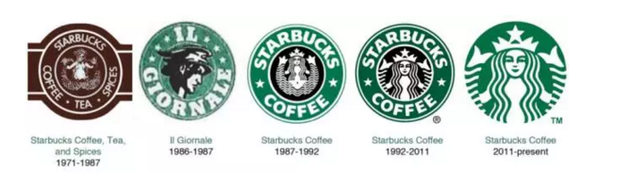
Why does Starbucks prefer China? Open another 1.33 stores a day for the next five years.
Following Kaiping (Wechat official account vdailycom) found that Beautiful Cafe opened a small shop of its own, with 2800 stores all operating itself to 5000 in 2021. This is another growth story about the Chinese market. Starbucks spent 1.3 billion US dollars to take over the operation rights of all Starbucks stores in mainland China, which means that all Starbucks stores in mainland China will be owned by Starbucks.
After Sears, Starbucks tea shop also closed! Close all its Teavana tea stores
Following Kaiping (Wechat official account vdailycom) found that Beautiful Cafe opened a small shop of its own, with 2800 stores all operating itself to 5000 in 2021. This is another growth story about the Chinese market. Starbucks spent 1.3 billion US dollars to take over the operation rights of all Starbucks stores in mainland China, which means that all Starbucks stores in mainland China will be owned by Starbucks.
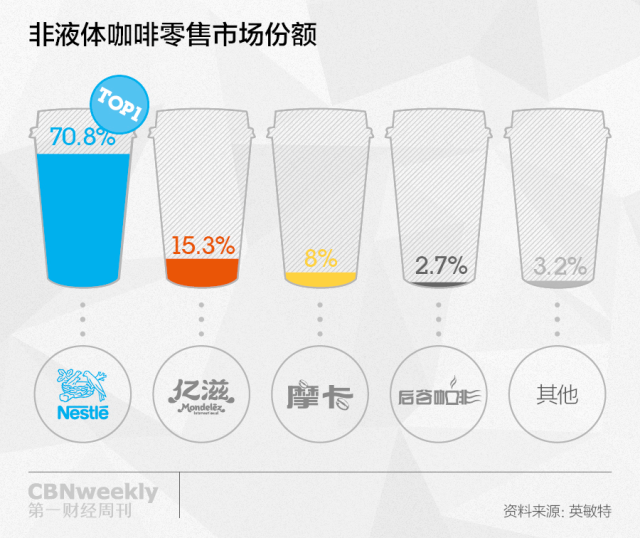
Instant Coffee Market Growth Slows, Nestle Lacks High Growth Potential
What about the world's largest food retailer, which is slowing down the instant coffee market, lacks brands with high growth potential and struggles to integrate with local companies? Nestle, the world's largest food company, has tasted the bitter taste of coffee in the Chinese market. Five years later, Nestle replaced the full package of instant coffee. The classic coffee color was replaced with a bright red, and the salesman did so

Global Coffee Production in 2017-Latest News on Coffee Production
According to current market data, emerging countries represented by China, Brazil, Russia, India and South Africa currently consume 20% of the global total coffee, and this proportion will reach 35% by 2020. China is one of the world's largest emerging coffee consumers, with sustained economic growth, increasing people's living standards and poor living standards.

There are more than 500 Tims coffee stores in China, with revenue growth of more than 70% in half a year!
Professional coffee knowledge exchange more coffee bean information please follow the coffee workshop (Wechat official account cafe_style) more boutique coffee beans please add private Wechat Qianjie coffee, WeChat: qjcoffeex recently, Tims coffee in China officially opened in Dongguan, Guangdong. This is

Starbucks CEO is optimistic about China: the expansion of China's Coffee Market will continue for decades
Professional baristas follow coffee workshop (Wechat official account cafe_style) Starbucks believes that China's growing middle class and urbanization will increase the demand for coffee in this popular tea culture. China is Starbucks' biggest growth opportunity, and the expansion of the Chinese market is likely to continue for decades. This is Kevin John, CEO of Starbucks.

China's coffee consumption will maintain an annual growth rate of about 20%
For coffee to be truly successful in China, it will have to convince less-visited regions that coffee can complement or even replace tea, especially for some unique coffee varieties. The Wall Street Journal website once reported that as the economic development slows, China's commodity demand may be slowing down, but in a country with a tradition of drinking tea, coffee is even more expensive.

Nestle's sales reached 91.4 billion Swiss francs last year, with Starbucks contributing part of the results
Professional coffee knowledge exchange More coffee bean information Please pay attention to coffee workshop (Weixin Official Accounts cafe_style) February 14, the world's largest food manufacturer Nestle released 2018 results show that its sales of 91.4 billion Swiss francs, an increase of 2.1%; net profit of 10.1 billion Swiss francs, an increase of 41.6% year-on-year. And get Starbucks product sales rights, China and the United States